Posts

Showing posts with the label mRNA vaccine

The IgG4 Puzzle: Why Boosters May Weaken One Defense but Strengthen Another

Image
Post-Vaccination IgG4 and IgG2 Class Switching is linked to Increased Risk of SARS-CoV-2 Infections A new study published in Infectious Disease Practice has revealed a concerning correlation between the class switching of antibodies after COVID-19 mRNA booster vaccinations and a heightened risk of breakthrough infections. Specifically, the study found that elevated levels of IgG4 and IgG2 antibodies, which increase significantly following the third mRNA dose, are linked to an increased risk of symptomatic SARS-CoV-2 infections.  The study followed a longitudinal cohort of 83 healthcare workers who received three vaccine doses, with an additional 66 participants analyzed at a specific timepoint (T9, May 2022), four months after the first booster. Conducted in Spain, the research tracked immune responses over nearly three years, revealing that the proportion of non-cytophilic antibodies (IgG4 and IgG2) increased relative to cytophilic subclasses (IgG1 and IgG3) after the booster. Th...

Cytokine Storms After COVID-19 Vaccination

Image
Severe post-vaccinal complications could be driven by an overactive immune response. In a new case series , recently published in Cureus, three rheumatic disease patients with low disease activity needed hospitalization and new biological treatments, and one patient died after her 4th dose of SARS-CoV-2 mRNA vaccine. Cytokine analysis showed elevated levels of IL-1β, IL-6, IL-17, and TNF-α, indicating a cytokine storm, possibly triggered by IL-6 amplification (IL-6 Amp). This mechanism involves excessive IL-6 production through a feedback loop activated by simultaneous stimulation of NF-κB and STAT3 pathways Case 1: Acute Exacerbation of Interstitial Pneumonia in an 80-Year-Old Woman An 80-year-old woman with a history of rheumatoid arthritis (RA) had been in remission for five years thanks to a regimen including subcutaneous tocilizumab (TCZ-SC) and tacrolimus. However, after receiving the Pfizer-BioNTech vaccine, she developed severe dyspnea requiring oxygen. Her CT scan revealed new...

COVID-19 Vaccination-Induced CRPS Masquerading as Erythromelalgia

Image
New case report describes a 56-year-old woman who developed debilitating symptoms, including intense foot pain, discoloration, and swelling, following COVID-19 vaccination with the Pfizer-BioNTech mRNA vaccine. The patient experienced acrocyanosis, constant pain in the soles of her feet, and a throbbing sensation. Symptoms worsened after each COVID-19 vaccine dose, leading to dependency on a wheelchair. Dermatological manifestations included redness, discoloration, and swelling. Initial evaluations suggested erythromelalgia, but subsequent investigations involved multiple medical specialties, including dermatology, vascular surgery, rheumatology, neurology, and orthopedics. Various diagnostic tests, including blood tests, genetic testing, imaging, and biopsies, yielded inconclusive results. Based on the Budapest Criteria for CRPS, the patient fulfilled the criteria, exhibiting allodynia, hyperalgesia, skin color changes, edema, continuing pain, and the absence of a more obvious ex...

Lamotrigine and COVID-19 Vaccine: A Case of Leukopenia

Image
Leukopenia, a condition characterized by a decrease in white blood cell count, is a medical phenomenon that warrants attention, especially when linked to the initiation of medications. In a newly published case report, a 20-year-old bipolar woman experienced leukopenia following the administration of lamotrigine, next day after COVID-19 vaccine booster, shedding light on potential risks and interactions. Lamotrigine is known for its efficacy in treating bipolar disorder, but like any medication, it comes with potential side effects. Adverse effects are more likely when lamotrigine is used alongside other antiepileptic drugs, during rapid dose titration, or in combination with multiple medications. Monitoring its concentration becomes crucial in such cases, as highlighted in this report. The patient in question received lamotrigine the day after her third mRNA vaccination for COVID-19, presenting with predisposing factors such as concomitant use of antiepileptic drugs. Surprisingly, leu...

Treatment of COVID-19 Vaccine-triggered Migraine

Image
A 55-year-old woman with a long history of chronic migraines saw her symptoms worsen after getting a COVID-19 mRNA vaccine. Normally, her migraines were manageable with topiramate and sertraline. Despite medication adjustments, her pain escalated, scoring a 9 on the Visual Analogue Scale (VAS). The underlying mechanisms of how SARS-CoV-2 impacts the nervous system remain unclear. Research suggests that the virus can invade the nervous system and trigger headaches by causing inflammation and vascular changes. Headache and loss of smell (anosmia) are thought to be linked to this direct neural invasion. Calcitonin gene-related peptide (CGRP) is key in migraine pathophysiology, involved in pain transmission and inflammation. Elevated levels of interleukin (IL)-6 and tumor necrosis factor alpha (TNF-a), common in COVID-19, also increase CGRP, influencing symptoms like cough, fever, and pain. Studies have found structural similarities between CGRP receptors and SARS-CoV-2 spike proteins, sug...

Accelerated Aging after mRNA Vaccination

Image
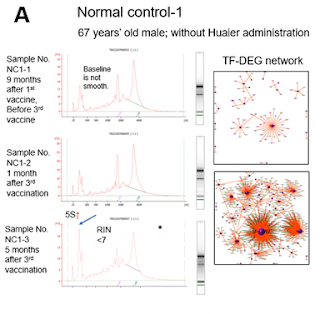
A recent study found significant destruction in ribosomal RNA structures after vaccination, a phenomenon that was enhanced by serial shots. This destruction led to massive inhibition of translation and transcription, affecting intra/inter neural signaling transfer and lipid metabolism. These processes are related to the aging process, and the destruction was identified even six months after vaccination. The cases described in cited papers include: 82-year-old female with colorectal cancer in remission: Complications of vaccination: abdominal pain, appetite loss, constipation, anemia, anorexia. Cancer relapsed after vaccination, leading to her death (patient 6 in Tanaka et al, 2022 : Archives of Clinical and Biomedical Research) 85-year-old female with esophageal cancer in remission: Complications of vaccination: dysphasia.  Cancer relapsed after vaccination, along with suspected microembolus in the brain, causing symptoms of memory loss, hoarseness, and dysphagia, leading to her de...

Plexopathy after COVID-19 Vaccination

Image
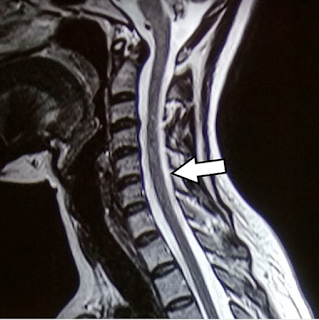
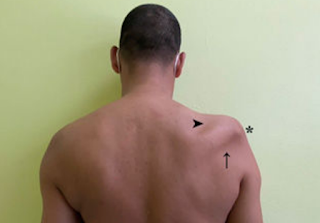
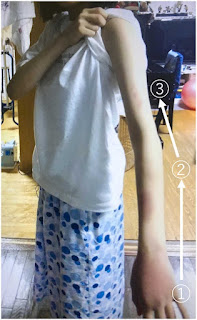
 The lymphatic system in our body acts as a sewage system, filtering out waste and helping fight infections. Axillary lymphadenopathy is a condition where the lymph nodes (small, bean-shaped structures in the lymphatic system) located in the armpit (axilla) area swell up. This usually happens when the body is trying to fight off an infection or in response to certain medications or vaccines. The brachial plexus is a network of nerves that send signals from your spinal cord to your shoulder, arm, and hand. A plexopathy is a disorder that affects this network of nerves, leading to various symptoms including pain, numbness, and muscle weakness in the affected area.  Multiple case reports described lymphadenopathy after COVID-19 vaccination. Previously we talked about vaccine-triggered  Parsonage-Turner syndrome , a rare idiopathic brachial plexopathy in a 50-year old male. 34-year-old healthy male also developed brachial plexus neuropraxia (a mild nerve injury) after ge...

Delayed myocarditis following vaccination

Image
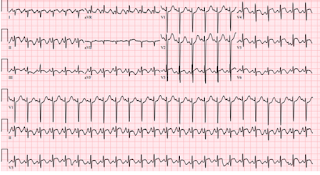
 A healthy 24-year-old man with a history of allergic rhinitis experienced tightness in his chest, difficulty breathing, and coughing up blood six months after exposure to COVID-19 (he never tested positive nor experienced any symptoms) and three months after a second dose of the Moderna vaccine.  On arrival, his oxygen level was low, his heart rate was high, he had a fever, and his blood pressure was normal. He looked very sick and was sweating. Electrocardiography (ECG) showed sinus tachycardia with diffuse ST-segment elevation and T-wave inversion (Figure).   There were abnormal sounds in his lungs despite normal X-rays. His heart's electrical activity showed a fast rhythm with changes in the ST-segment and T-wave. Blood tests indicated heart damage and inflammation. An ultrasound of his heart showed that its pumping ability was reduced. A biopsy of his heart muscle confirmed inflammation Tests of fluid from his lungs showed no signs of bleeding or infection. Diag...

Reactivation of Epstein-Barr Virus Following COVID-19 Vaccination

Image
Epstein-Barr virus (EBV) is a common human herpesvirus that infects a majority of adults worldwide, typically transmitted through saliva during childhood. While most EBV infections are asymptomatic or cause mild symptoms, it can lead to conditions such as infectious mononucleosis (IM) in adolescents and young adults. Here we present two cases suggesting a potential link between EBV reactivation and COVID-19 vaccination.  Case 1 : EBV-Associated Lymphoproliferative Disorder: A 79-year-old male presented with fever, pancytopenia, elevated liver enzyme levels, and other alarming laboratory findings two weeks after receiving the first dose of the BNT162b2 mRNA COVID-19 vaccine. Further investigations revealed EBV viremia localized in natural killer (NK) cells, suggesting a diagnosis of EBV-NK-LPD. Despite aggressive treatment attempts, the patient's condition worsened, and he succumbed to the disease two months later. Case 2 : Cutaneous Manifestations and EBV Reactivation: A 24-year-ol...

Parsonage-Turner syndrome as a side effect of booster vaccination

Image
A 50-year-old man visited a primary care clinic with persistent right arm pain and weakness lasting for 9 weeks. These symptoms began 5 days after receiving a mRNA COVID-19 booster vaccination in his right deltoid. The patient experienced a moderate-to-severe ache at the injection site, radiating to his neck. Over time, he developed progressive weakness in his right shoulder and elbow, along with occasional hand paresthesia.  Despite reporting his symptoms to Malaysian equivalent of VAERS database, the patient sought medical attention only after 9 weeks when his symptoms worsened to the point where he needed assistance with daily activities. He had no other symptoms or relevant medical history, except for completing two doses of an inactivated COVID-19 vaccine 7 months prior. Physical examination revealed muscle wasting in the affected areas without skin changes or tenderness. Neurological evaluations, including nerve conduction studies and electromyography, indicated axonal loss r...

STAT3-mediated adverse events following immunization with an mRNA vaccine

Image
Genetic factors that increase the risk of COVID-19 vaccine-induced adverse events are currently being investigated. A new article is presenting a case of T-LGL, T-cell large granular lymphoma, a rare lymphoproliferative disorder, in a patient who received a COVID-19 mRNA vaccine. The authors analyzed the results of gene sequencing for pathogenic mutations but did not find any known variations associated with T-LGL, particularly not in STAT3 or STAT5b, harboring the most common gain-of-function mutations. However, the article provides evidence that the vaccine induces STAT3 activation through TLR stimulation, which may potentially exacerbate STAT3-dependent diseases. Interestingly, expansion of T cells causing progressive lymphadenopathy following mRNA vaccination has been reported in a patient with angioimmunoblastic T Cell lymphoma, indicating that further investigation is needed to understand the potential genetic and immune-related factors that increase the risk of lymphoma after va...

Complex Regional Pain Syndrome after Vaccination

Image
A 17-year-old woman with no specific medical history received the first dose of Pfizer/BioNTech mRNA COVID-19 vaccine on her left upper arm, which caused mild swelling at the site of injection and resolved quickly. Three weeks later, the second dose of the vaccine was administered to her left upper arm, and after a fever which resolved within a few hours, a bruise appeared on the back of her left hand that spread to her entire left hand, became edematous and caused severe pain.  The bruise gradually resolved, but the pain and swelling persisted. Six weeks later, she was diagnosed with Complex Regional Pain Syndrome (CRPS) and received a stellate ganglion block. Two months after second dose of the vaccine, numbness and involuntary flexion of the right hand and fingers began to appear.  Four months later, she developed involuntary movements with pain in her right index finger. She was prescribed medication for the involuntary movements, but it did not improve her symp...

Post-vaccinal Angina

Image
Besides vaccine-induced myocarditis, there could be other cardiovascular complications, such as post-vaccinal Kounis syndrome (also referred to as allergic angina) or Vasospastic Angina (VSA). The latter form of angina pectoris is characterized by severe pain in the chest (caused by coronary artery spasm, which consists of a sudden occlusive vasoconstriction of a segment of an epicardial artery, resulting in a dramatic reduction of coronary blood flow). It can occur at rest, with transient electrocardiogram modifications and preserved exercise capacity. COVID-19 vaccination may increase coronary artery spasticity.  A 41-year-old male patient was referred for chest pain at rest following mRNA vaccination; he had never experienced chest pain prior to vaccination. He was diagnosed by an acetylcholine (Ach) provocation test that showed multivessel vasospasm. After the initiation of treatment with a calcium channel blocker and nitrate, no further exacerbation of chest pain was observed....

Omicron variants: is vaccine effectiveness in negative?

Image
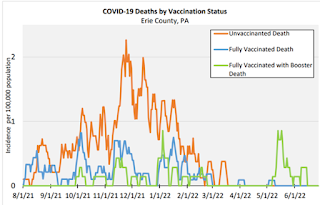
A n 18-year-old girl with no comorbidities died at the Government Thanjavur Medical College Hospital,  in Tamil Nadu, India,  on June 14.  Cause of death is COVID pneumonia, respiratory failure and cardiorespiratory arrest. The girl was admitted on June 14 at 7:15 am and declared dead at 2:30 pm the same day.  She had no fever at the time of admission, was conscious and had breathing difficulty. She was vaccinated with two doses of Covishield (Oxford/ Astrazeneca AZD1222) C19VAZ vaccine, formerly known as ChAdOx1 nCoV-1 ) and this was the first time she was infected by the virus. A June-28th report from Erie county , PA shows that some vaccinated and boosted individuals are dying from the latest variants of the virus.  Analysis of hospitalizations and deaths in the UK, showed  a significant increase in the case fatality rate (0.19% vs 0.41%; RR 2.11 [2.06-2.16], p<0.001) and odds of hospitalization  when comparing the period of February 28-May 1, 2...

Myocarditis and Pericarditis following Covid-19 mRNA vaccines in French Population

Image
I n line with results from a cohort study in Nordic countries , analyses of data from France show a significant risk and population burden of pericarditis following the second dose of the BNT162b2 and mRNA-1273 vaccine (Note that cases after third dose have been also reported) The study was based on data of the National Health Data System (SNDS) which covers more than 99% of the French population (67 million inhabitants) .  1612 cases of myocarditis and 1613 cases of pericarditis occurred in France in the period from May 12, 2021 to October 31, 2021. The largest associations are observed for myocarditis following mRNA-1273 vaccination in persons aged 18 to 24 years. Estimates of excess cases attributable to vaccination also reveal a substantial burden of both myocarditis and pericarditis across other age groups and in both males and females. REFERENCES Le Vu, Stéphane;  Bertrand, Marion;  Jabagi, Marie-Joelle;  Botton, Jérémie ; Drouin, Jérôme;  Baricault, Béra...

Cardiovascular disorders after the third dose of COVID-19 vaccine

Image
Most cases of cardiovascular adverse events in vaccine recipients occur following the second dose.  Cases following the third dose of COVID-19 vaccines have been also reported. The risk was about the same as after the 2nd dose. We discussed a fatal case of a  26-year-old male who did not have any side effects from his two previous doses.  Here are two similar cases with subsequent resolution.  A 43-year-old female   with no past medical history presented with palpitations and shortness of breath started 2 days after receiving the third dose of BNT162b2 COVID-19 vaccine. No side effects of the vaccine were noted following the preceding two doses received five months prior. On presentation, her electrocardiogram showed rapid monomorphic ventricular tachycardia (VT) requiring a synchronized cardioversion (see  Figure ).  Laboratory blood tests showed normal complete blood count, elevated C-reactive protein up to 6.7 mg/dl, and high-sensitive troponin I ...

Fatal autoimmune acquired factor XIII/13 deficiency after COVID‐19 vaccination

Image
A 78‐year‐old woman with no personal or family history of abnormal bleeding noticed a bruise on her thigh 2 weeks after her second COVID‐19 mRNA vaccination (Pfizer‐BioNTech). Her skin bruise persisted and on day 38, a new bruise appeared on her left hand. On day 50, she visited a hospital because of pain and swelling in the left hand.  Computed tomography (CT) scans showed intra‐articular bleeding in her left shoulder and asymptomatic central nervous system (CNS) bleeding. Blood tests revealed normocytic anemia. While factor XIII/13 (F13) antigen level was slightly reduced, and its activity was below the detection limit. The patient died of CNS bleeding despite treatment.  READ MORE REFERENCE Shimoyama S, Kanisawa Y, Ono K, Souri M, Ichinose A. First and fatal case of autoimmune acquired factor XIII/13 deficiency after COVID‐19/SARS‐CoV‐2 vaccination. American journal of hematology. 2022 Feb;97(2):243.

Increased cardiovascular emergencies during vaccine rollout

Image
Using a unique dataset from Israel National Emergency Medical Services (EMS) from 2019 to 2021, a n increase of over 25% was detected in both  cardiac arrest (CA) and acute coronary syndrome (ACS) EMS calls  during January–May 2021, compared with the years 2019–2020.  This study leveraged the Israel National EMS (IEMS) data system and analyzed all calls related to CA and ACS events over two and a half years, from January 1st, 2019, throughout June 20th, 2021. U sing Negative Binomial regression models, the weekly emergency call counts were significantly associated with the rates of 1st and 2nd vaccine doses administered to this age group but were not with COVID-19 infection rates.  These findings are emphasized by Figures  that present the graphs described in the “ Methods ” section for both CA and ACS, CA only, and ACS only, respectively. Both the CA and ACS call counts (red curve) start increasing early January 2021 and seem to track closely the 2nd dose curv...

Diabetes after SARS-CoV-2 Vaccination

Image
A 43-year-old man who had malignant melanoma (pT3bN1bM0 stage IIIC) received nivolumab treatment (480 mg 1× every 4 wks) 12 months before admission. Fasting plasma glucose level was 94 mg/dL and glycated hemoglobin (HbA1c) 5.6% at treatment initiation. Plasma glucose and HbA1c were tested every 4 weeks. His range of plasma glucose was 90–123 mg/dL and that of HbA1c was 5.4%–5.7% ( Figure ). Positron emission tomography–computed tomography showed no metastasis or recurrence of the tumor 1 month before admission. The man received his first SARS-CoV-2 vaccination 35 days before admission. No apparent adverse reactions occurred, except for local pain. The last nivolumab dose was administered 21 days before admission and the second SARS-CoV-2 vaccination 14 days before admission. The next day, he had a slight fever (temperature 37°C), which soon subsided. Thirst, polydipsia, and polyuria appeared 2 days after the second vaccination. He started drinking 3 L of water/day, and his weight decre...

mRNA COVID-19 Vaccines do not improve overall mortality

Image
To examine the possible non-specific effects of the novel COVID-19 vaccines, the authors of this study  (to be published in Lancet) reviewed the randomized control trials (RCTs) of mRNA and adenovirus-vector COVID-19 vaccines reporting overall mortality, including COVID-19 deaths, accident deaths, cardiovascular deaths and other non-COVID-19 deaths. For overall mortality, with 74,193 participants and 61 deaths (mRNA:31; placebo:30), the relative risk (RR) for the two mRNA vaccines compared with placebo was 1.03 (95% CI=0.63-1.71).  There is now ample evidence that vaccines can not only add protection but also increase susceptibility to unrelated infections or even other non-infectious immune mediated diseases.  Analysis of the final study reports from vaccine clinical trials found the vaccines had no effect on overall mortality. Among 74,000 trial participants, at 6 months follow-up, there were 31 all-cause deaths among the vaccinated (n=37,110) and 30 among the pl...